

Exploring the cultural significance of gambling throughout history
Gambling in Ancient Civilizations
Gambling has roots that stretch back thousands of years, with evidence of its practice found in ancient civilizations such as Mesopotamia, Egypt, and China. Archaeological findings, including dice and betting paraphernalia, indicate that these cultures embraced games of chance as both entertainment and a means of social bonding. In ancient China, for example, rudimentary forms of lottery and dice games were prevalent, serving as a reflection of the community’s desire for fortune and luck. As online platforms like Betwest Casino support shows, the allure of gambling remains strong even today.
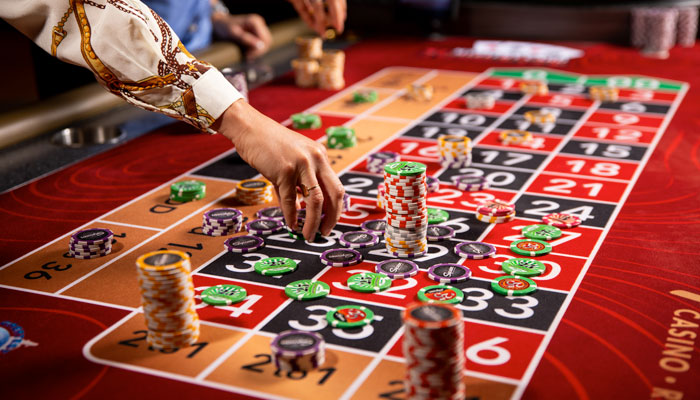
Moreover, gambling in these early societies often had religious or ritualistic components. For the Greeks and Romans, dice games were linked to divine favor and were played during festivals dedicated to gods. These games were not merely pastimes; they carried cultural significance that reinforced societal structures and communal ties, demonstrating that gambling was deeply intertwined with both leisure and spirituality.
The cultural implications of gambling were further exemplified in the context of trade and commerce. In ancient Rome, gambling was so popular that even the lower classes participated, indicating its widespread acceptance across social strata. These activities contributed to a shared cultural identity, fostering connections among individuals within these vibrant communities, which were often characterized by their diverse backgrounds and practices.
The Evolution of Gambling in Medieval Europe
As Europe transitioned into the medieval period, gambling continued to thrive despite occasional pushes for its prohibition by religious authorities. During this time, the emergence of card games, which began to spread from the East, became a notable shift in gambling culture. The invention of the printing press allowed for the mass production of playing cards, making them accessible to a broader audience, thus expanding gambling activities beyond the aristocracy.
Medieval gambling was often associated with the feudal system, where lords and knights engaged in games of chance during celebrations or to resolve disputes. Tournaments featured betting components, weaving gambling into the fabric of society, thereby highlighting its significance as a means of entertainment and social interaction. The practice was viewed with a mix of admiration and suspicion, showcasing the complexities of its societal role.
Additionally, the proliferation of taverns as centers of social life provided spaces for gambling. These establishments facilitated a culture of camaraderie through games, allowing individuals to bond over shared risks and rewards. In this way, medieval gambling shaped community interactions and even influenced local economies, as tavern owners capitalized on the popularity of games and the wagers placed therein.
The Impact of Gambling on Society During the Renaissance
The Renaissance marked a period of cultural rebirth, and gambling became more sophisticated, paralleling the era’s advancements in art and science. The introduction of lotteries in various European countries, including Italy and France, reflected a new attitude towards chance and fate. Governments began to regulate these games, utilizing the proceeds to fund public projects, thereby intertwining gambling with civic responsibility.
Furthermore, literature and art during the Renaissance often depicted gambling as a reflection of human nature—its temptations, moral dilemmas, and the duality of fortune and misfortune. Shakespeare, for instance, frequently explored themes of chance in his plays, emphasizing how gambling mirrored the unpredictability of life itself. This cultural recognition of gambling’s complexities enhanced its status and acceptance in society.
The period also saw the rise of sophisticated gambling establishments, including early versions of casinos. These venues became social hubs where individuals could engage in games while enjoying music and entertainment. The very design of these spaces illustrated the cultural importance placed on gambling, as they offered a retreat from the rigors of daily life and showcased the societal fascination with risk-taking and the allure of wealth.
The Modernization of Gambling and Its Global Spread
The 20th century ushered in significant changes in the gambling landscape, characterized by the establishment of formal casinos and the legalization of various forms of betting. Las Vegas became the epicenter of modern gambling, symbolizing a new era where gambling was not only legal but celebrated as entertainment. This shift reflected broader societal changes, including increased leisure time and a growing acceptance of risk as part of the human experience.
Additionally, the introduction of online gambling in the late 1990s revolutionized the industry, making it accessible to a global audience. Online platforms offered diverse gaming experiences, from traditional casino games to sports betting, further embedding gambling into the fabric of modern culture. This evolution highlighted the significance of technology in reshaping how people engage with gambling, making it a staple of contemporary leisure activities.
The globalization of gambling also brought about discussions on regulation and responsible gaming. Countries began to recognize the economic potential of gambling while grappling with its societal implications. This balance between profit and social responsibility underscored the ongoing cultural significance of gambling, as communities worked to ensure a safe and enjoyable environment for participants.

Betwest Casino: A Modern Perspective on Gambling
Betwest Casino represents a contemporary evolution in the gambling experience, merging traditional gaming with modern technology. Offering a wide array of games, from slots to live dealer options, it caters to a diverse audience eager for entertainment. Its generous welcome bonuses and promotions reflect the competitive nature of today’s gambling industry while fostering a welcoming atmosphere for new players.
Moreover, Betwest emphasizes security and player well-being, employing robust verification processes and advanced encryption technologies to ensure safe transactions. This dedication to user security is crucial in an era where online gambling is increasingly prevalent. By prioritizing the safety of its users, Betwest cultivates trust and encourages responsible gaming practices.
Ultimately, Betwest casino games exemplify how the gambling industry continues to evolve, blending entertainment with technology while addressing the needs of a modern audience. As gambling maintains its cultural significance, platforms like Betwest offer insights into the future of gaming, where traditional elements meet contemporary expectations, ensuring the longevity of this multifaceted cultural phenomenon.