

The Thrill of Uncertainty
One of the primary reasons individuals are drawn to gambling is the thrill that accompanies uncertainty. The anticipation of what might happen next—whether it’s the spin of a roulette wheel or the flip of a card—creates an exhilarating rush. This rush stems from the brain’s reward system, where dopamine is released in anticipation of a potential win. The unpredictable nature of the games heightens excitement, creating an enticing psychological experience that keeps players returning for more, much like those seeking an online casino australia real money adventure. The desire to chase that next adrenaline high can be a powerful motivator, leading individuals to engage in gambling activities time and again.
This fascination with uncertainty is not limited to gambling; it permeates many aspects of life. However, in gambling, this uncertainty is sharpened by the stakes involved, enhancing emotional reactions. Players often find that the longer the wait for a result, the greater the excitement builds. This phenomenon not only explains the immediate thrill of gambling but also offers insights into why people might become addicted, as the brain continually seeks that rewarding experience. The anticipation creates a dynamic where the emotional investment grows, compelling players to participate even when they know the odds are not in their favor.
The emotional rollercoaster associated with gambling can lead to a cycle of highs and lows that many find irresistible. This cycle generates hope and disappointment, yet the hope is often enough to keep players engaged. The desire to experience that “big win” can compel individuals to overlook the risks involved, reinforcing their connection to the gambling environment. This emotional pull illustrates why preferences for games of chance often overshadow the logical understanding of odds, creating a complex interplay that keeps players coming back for more, regardless of previous outcomes.
Social Dynamics in Gambling
Gambling is often a social activity, which plays a significant role in why people choose to engage in it. Many individuals find enjoyment in the company of others, and gambling venues provide a unique atmosphere for social interaction. Whether in a physical casino or through online platforms where players can communicate, the social aspect can enhance the overall experience, making it feel more communal and engaging. The shared thrill of the game can foster connections among players, enhancing the enjoyment and making the experience more memorable.
The camaraderie built around gambling can also be a powerful motivator. Players often share their experiences, strategies, and even personal stories, creating a sense of belonging. This social bonding can reinforce positive feelings about gambling, making the experience more enjoyable than solitary activities. In many cases, the social connections formed in these environments can overshadow the potential negatives associated with gambling. The collective energy and excitement can create an exhilarating environment where individuals feel more alive and connected to others.

Moreover, gambling can serve as a catalyst for building new relationships, both friendships and romantic connections. Many people meet through gambling clubs or online gaming sites, where shared interests can lead to deeper connections. This social motivation adds a layer of complexity to the reasons why individuals engage in gambling, emphasizing its role as a facilitator of human interaction beyond mere financial gain. The friendships formed in these settings can also provide support networks that help mitigate the risks associated with gambling, as players can share both their successes and struggles in a safe environment.
The Escape from Reality
For many, gambling serves as a form of escapism, providing a temporary respite from daily stresses and responsibilities. In a world filled with pressures—whether from work, family, or personal issues—gambling can offer an outlet for individuals to lose themselves in the game. The immersive experience can distract from everyday problems, allowing players to enter a different mental space where they feel a sense of control and possibility. This escape can be especially appealing in times of stress, as it allows individuals to momentarily forget their worries and immerse themselves in a world of chance and excitement.
This desire to escape can lead people to gamble more frequently, as it becomes a coping mechanism to deal with life’s challenges. Whether it’s the allure of a lavish lifestyle associated with winning or the simple joy of playing a game, the escapist nature of gambling can make it difficult for individuals to recognize when their pastime crosses into problematic behavior. For some, this escape morphs into a need for thrill and distraction, highlighting the psychological complexities surrounding gambling. As the line between healthy play and addiction blurs, it becomes crucial to address the underlying reasons for gambling beyond mere entertainment.
While the temporary relief found in gambling can feel beneficial, it is crucial to consider the long-term implications. As players become more reliant on gambling as an escape, they might neglect essential aspects of their lives, such as relationships, work, or health. The initial thrill may diminish over time, leading individuals to seek more extreme forms of gambling to achieve the same level of excitement, ultimately creating a cycle that can be hard to break. Understanding this need for escapism can help individuals reflect on their habits and consider alternative ways to cope with stress that do not involve gambling.
The Role of Cognitive Biases
Cognitive biases significantly influence gambling behavior. Many individuals overestimate their chances of winning due to biases such as the illusion of control and confirmation bias. The illusion of control leads players to believe they can influence the outcome of games of chance, even when the results are purely random. This false sense of power can encourage repeated play, as individuals think they can outsmart the odds. Recognizing this bias is essential for developing a more realistic understanding of gambling outcomes and improving decision-making.
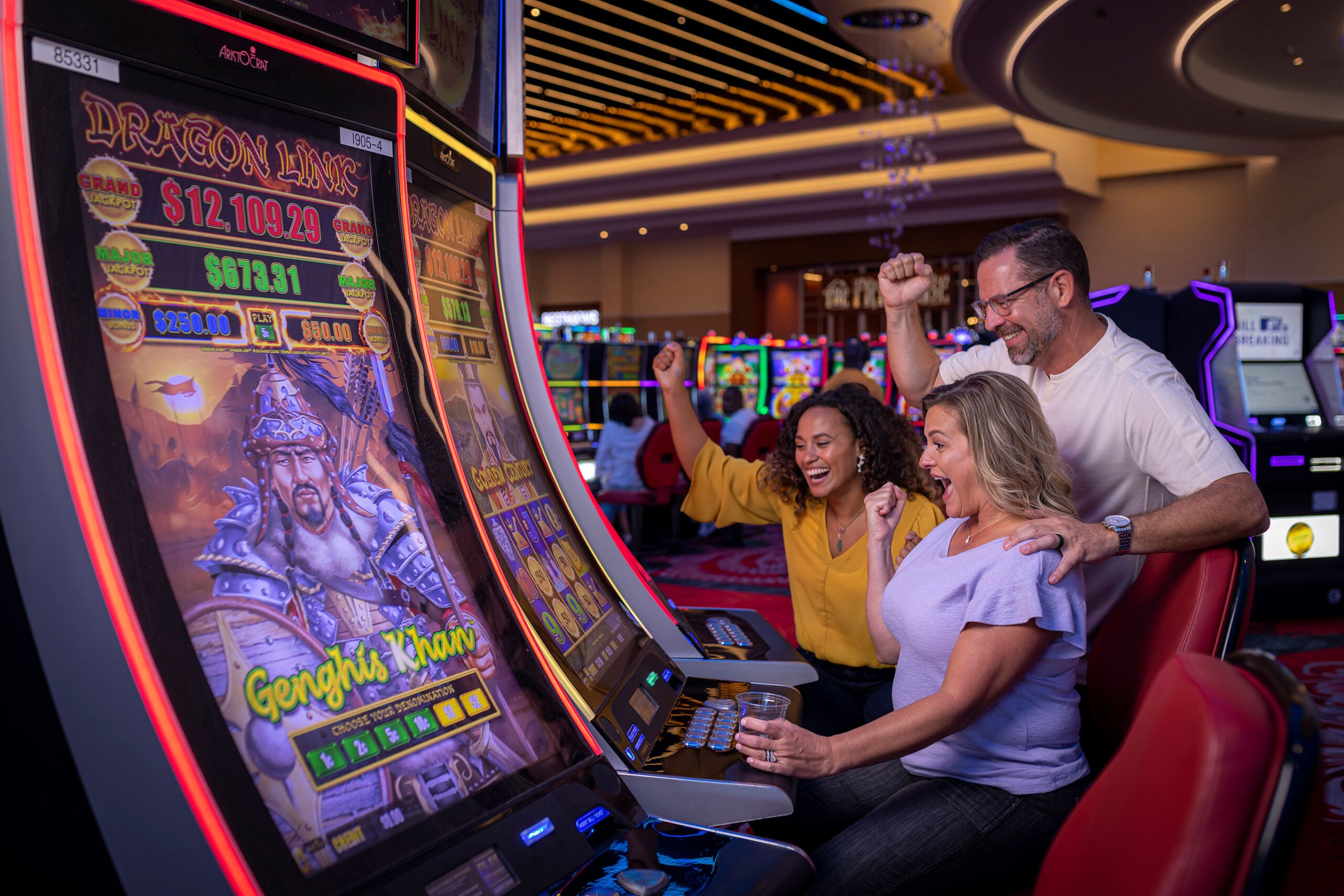
Confirmation bias further complicates these perceptions. Players tend to remember their wins and forget their losses, fostering an inaccurate belief that they are more successful than they truly are. This selective memory reinforces their desire to gamble, propelling them into a cycle that can be detrimental. Understanding these cognitive biases can help players make more informed decisions about their gambling habits and recognize when their beliefs are leading them astray. By acknowledging these distortions, individuals can cultivate a healthier relationship with gambling and focus on more realistic assessments of their experiences.
These biases contribute to the complex psychological landscape of gambling. Players often fall prey to these misconceptions, which can obscure the reality of their gambling experiences. By recognizing and acknowledging these cognitive distortions, individuals can develop healthier attitudes toward gambling, helping them maintain a balanced perspective and potentially mitigate the risks involved. Education and self-awareness are essential tools for navigating the world of gambling, empowering players to engage more responsibly.
Exploring Responsible Gaming Resources
As the complexity of gambling psychology unfolds, it’s essential to acknowledge the importance of responsible gaming. Many resources exist to help gamblers understand their behaviors and the potential risks associated with gambling. Support groups, educational platforms, and counseling services offer valuable insights into maintaining a healthy relationship with gambling. These resources aim to foster an environment where individuals can enjoy gaming without falling into harmful patterns. Through awareness and education, players can learn to recognize the signs of problematic gambling and take proactive steps to address their habits.
Many organizations provide tools to help players reflect on their gambling habits, allowing them to recognize when it may be time to take a break or seek help. These initiatives often stress the significance of self-awareness and informed decision-making in gambling, ensuring that players remain in control. By embracing responsible gaming practices, players can enjoy the thrill of gambling while minimizing potential negative consequences. Information and support are crucial in helping players develop strategies that enhance their enjoyment while reducing the risk of addiction.
Moreover, the dialogue surrounding responsible gaming is increasingly important in online platforms where anonymity can encourage excessive play. Educating players about the potential pitfalls of gambling and providing tools to self-regulate is essential in a digital age where accessibility can lead to impulsive behaviors. As the industry evolves, maintaining these discussions ensures a healthier environment for all participants. By fostering a culture of responsible gaming, players can feel empowered to engage in gambling as a form of entertainment rather than a source of distress.