

The cultural significance of gambling in modern society A perspective from Pin Up Casino
The Historical Roots of Gambling
Gambling has been a part of human culture for millennia, with its origins tracing back to ancient civilizations such as China, Greece, and Rome. These early forms of gambling were often tied to religious practices and social gatherings, serving not just as entertainment but as a means of community bonding. This historical context highlights the deep-seated relationship between gambling and human social behavior, indicating that the allure of chance has long been woven into the fabric of society. Today, many enthusiasts enjoy platforms like Pin Up, which reflect this long-standing tradition.
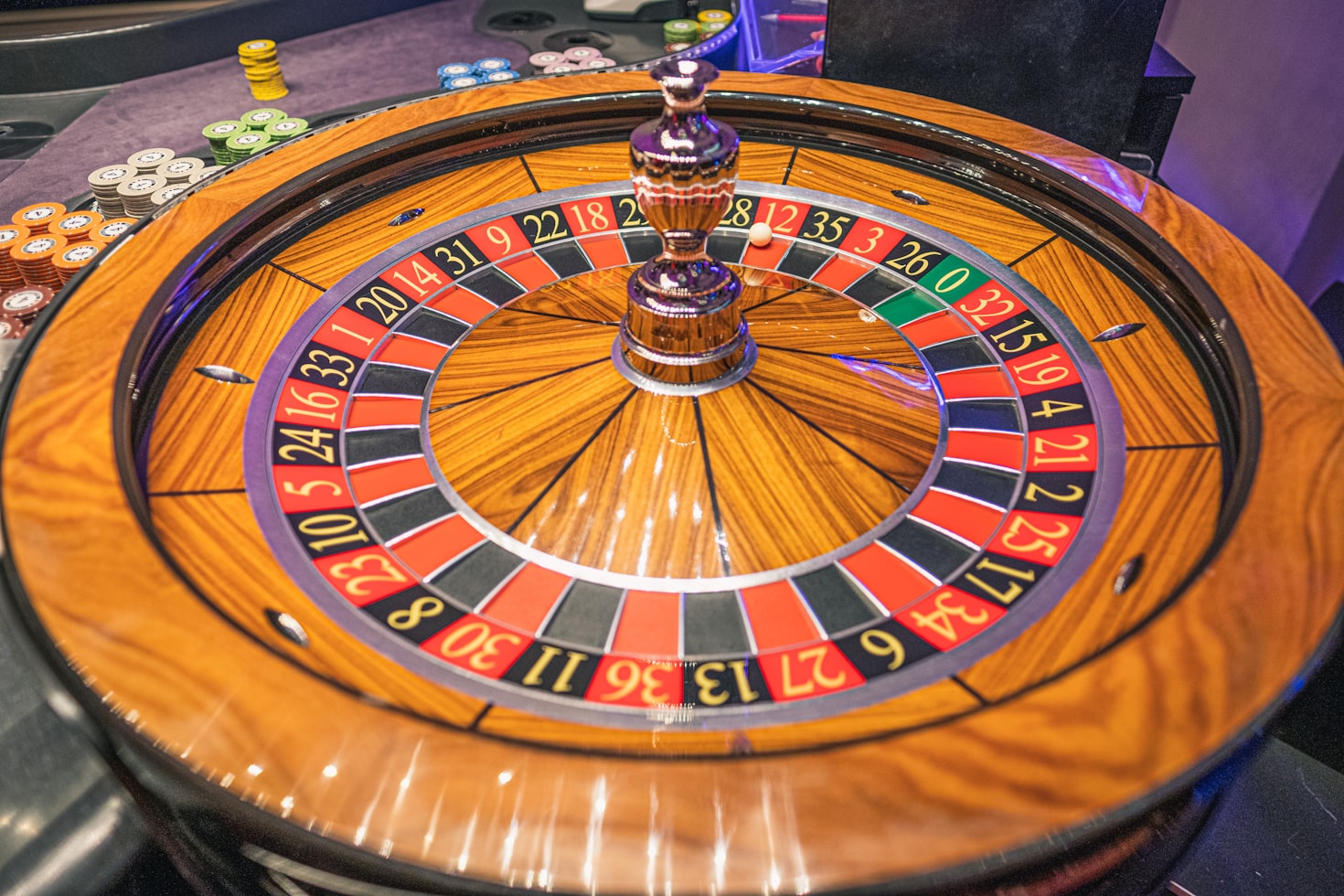
As societies evolved, so did the nature and perception of gambling. From the Roman Empire’s betting on gladiatorial contests to the establishment of the first formal casinos in the 17th century, gambling has continually transformed. In modern times, gambling has shifted into more regulated environments, with a focus on legality and responsible gaming practices. Such evolutions reflect broader cultural attitudes towards chance and risk, revealing how gambling mirrors societal values over time.
The historical evolution of gambling not only signifies a change in societal norms but also illustrates how it has adapted to reflect the economic and cultural dynamics of its time. As economies diversified and leisure time increased, gambling became more accessible and socially acceptable, further embedding itself within modern culture. This historical context is crucial in understanding why gambling holds such significance today, as it embodies a blend of entertainment, social interaction, and, at times, controversy.
The Role of Gambling in Modern Leisure
In contemporary society, gambling has emerged as a prevalent form of leisure activity, attracting millions of participants worldwide. Whether through traditional brick-and-mortar establishments or online platforms like Pin Up Casino, gambling offers a diverse array of experiences tailored to different preferences. This accessibility has not only broadened the player demographic but has also fueled the growth of gambling as a recreational choice, providing entertainment that is both engaging and potentially lucrative.
The online gambling sector, in particular, has gained immense popularity due to technological advancements and the rise of mobile platforms. The convenience of accessing casino games from anywhere at any time has significantly contributed to the normalization of gambling as a mainstream activity. Modern casinos, such as Pin Up, offer a wide range of games, including slots and live dealer options, appealing to varied tastes and creating a vibrant community of players.
Moreover, the social aspect of gambling cannot be understated. Many players seek not just the thrill of winning but also the camaraderie that comes with shared experiences in gaming. Online casinos often include features that encourage player interaction, from chat functions to multiplayer games. This sense of community fosters connections among players, enhancing the overall gambling experience and reinforcing its role as a legitimate form of social engagement in today’s society.
The Economic Impact of Gambling
The gambling industry plays a significant role in modern economies, contributing to job creation, tax revenue, and tourism. In regions where casinos are established, there is often a noticeable uptick in local employment opportunities, spanning various sectors from hospitality to security. This economic boost can lead to enhanced infrastructure and community development, illustrating that gambling can have far-reaching benefits beyond mere entertainment.
Tax revenues generated from gambling activities are also vital for funding public services, such as education and healthcare. Many governments have recognized the potential of regulated gambling to serve as a source of revenue, implementing taxation systems that allow for sustainable growth of the sector. This relationship between gambling and economic prosperity underscores the complex, multifaceted role that gambling plays within modern society.
Despite its benefits, the economic impacts of gambling also raise critical discussions about social responsibility and potential downsides. Concerns surrounding gambling addiction and its effects on individuals and families necessitate a balanced approach to regulation and support. Responsible gaming initiatives, like those promoted by Pin Up Canada, emphasize the importance of player protection, ensuring that the economic advantages do not come at the cost of individual well-being.
The Influence of Technology on Gambling Culture
Technological advancements have dramatically reshaped the landscape of gambling, introducing innovations that enhance user experience and engagement. Online platforms and mobile applications have made gambling more accessible, breaking geographical barriers and allowing players to enjoy their favorite games from the comfort of their homes. This digital revolution is not just about convenience; it reflects changing cultural attitudes towards gambling as a serious and legitimate form of entertainment.
The integration of live dealer games has introduced a new layer of realism to online gambling, bridging the gap between virtual and physical experiences. Players can interact with real dealers in real-time, creating a more immersive atmosphere reminiscent of traditional casinos. This evolution in technology not only enriches the gaming experience but also reflects a growing demand for authenticity in entertainment.
Moreover, the use of data analytics and artificial intelligence in the gambling industry has allowed for personalized gaming experiences tailored to individual player preferences. Casinos can analyze player behavior and preferences, offering targeted promotions and recommendations. This technological sophistication signifies not only the industry’s commitment to improving customer satisfaction but also highlights the role of gambling as a dynamic and evolving cultural phenomenon.

Pin Up Casino: A Modern Perspective on Gambling
Pin Up Casino embodies the modern approach to gambling, blending tradition with innovation to create an engaging and responsible gaming environment. The platform offers a wide variety of high-quality games, catering to both seasoned gamblers and newcomers alike. This inclusivity is essential in establishing a broad player base, reflecting the cultural significance of gambling as a shared recreational activity.
In addition to offering a diverse game selection, Pin Up prioritizes player satisfaction through generous bonuses and loyalty rewards. These incentives not only enhance the gaming experience but also foster a sense of community among players. The commitment to responsible gaming is particularly noteworthy, as Pin Up actively promotes transparency and fairness, ensuring that players can enjoy their time without compromising their well-being.
Ultimately, Pin Up stands as a testament to how the gambling industry can evolve while maintaining its cultural significance. Through its blend of technology, community engagement, and a focus on responsible practices, it exemplifies the modern ethos of gambling, making it a vital part of contemporary society. As the industry continues to grow, platforms like Pin Up will undoubtedly play a crucial role in shaping the future of gambling culture.